The global resurgence of vinyl over the past decade is a well-documented phenomenon. However, for years, the reality for Eastern European and Hungarian artists was often frustrating: massive backlogs at international pressing plants, high shipping costs, and a lack of local, accessible manufacturing. Hanaton was born precisely out of this necessity—to bring the art of record pressing back home and to give local artists a reliable partner.
Founded by Musicians, for Musicians
Unlike many corporate pressing plants, Hanaton was founded by two musicians. Having navigated the music scene themselves, they intimately understood the struggles of the modern independent artist from firsthand experience. They saw that while the demand for physical records was skyrocketing, the infrastructure was lagging behind, and bands were the ones paying the ultimate price in delays and high costs.
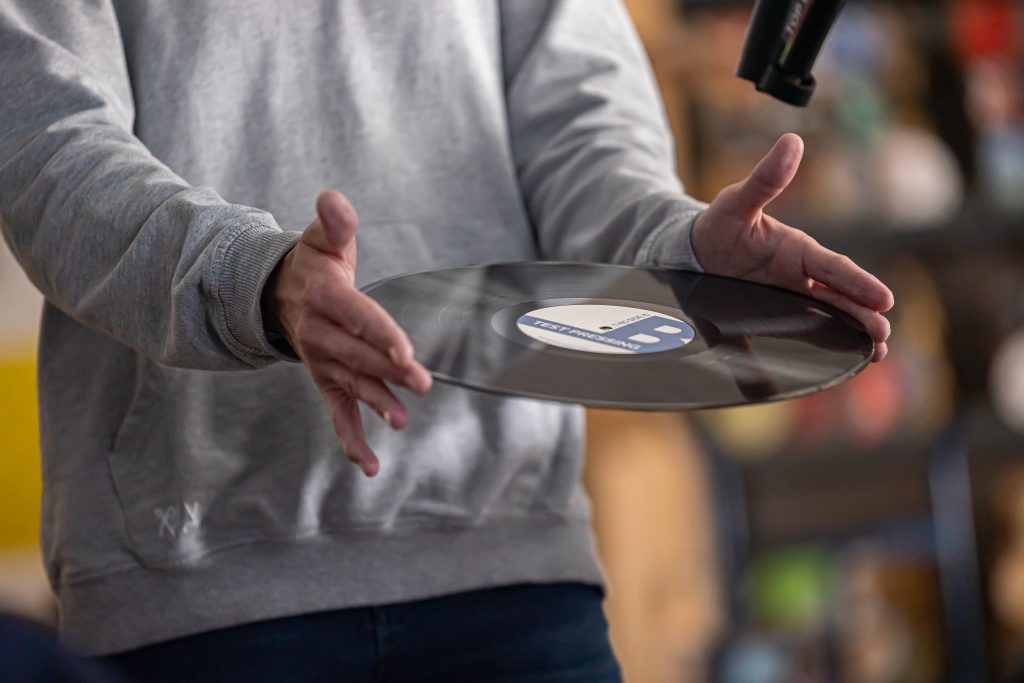
Their primary vision was to build a boutique pressing plant that stepped away from the cold, mass-production mentality. Hanaton’s main profile focuses on premium quality, reasonable turnaround times, and a deeply artist-centric approach. The plant caters to independent bands, boutique labels, and local artists who want direct, transparent communication with the people actually pressing their records.
The Heart of the Factory: A Piece of Hungarian Music History
While Hanaton utilizes modern technology for audio processing and quality control, the true soul of the factory lies in its heavy machinery. The centerpiece of the pressing floor is not a newly manufactured, sterile piece of equipment, but a legendary piece of Hungarian cultural heritage.
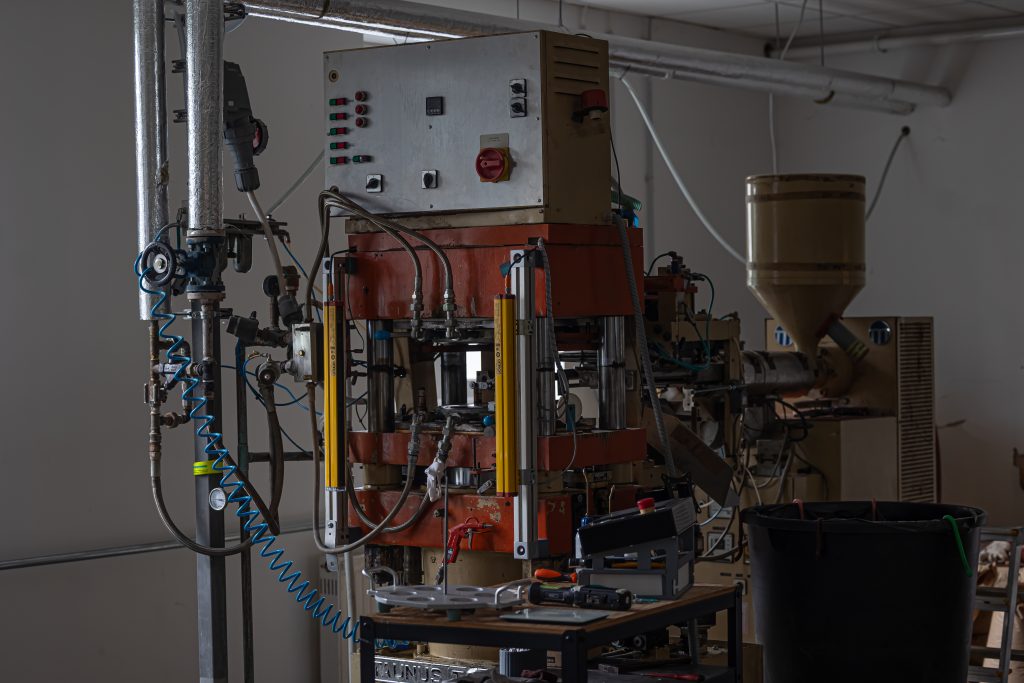
The primary pressing machine operating at Hanaton originally served in the historic Dorog pressing plant. For decades, Dorog was the undisputed epicenter of Hungarian record manufacturing. During the golden age of vinyl, nearly every iconic Hungarian rock, pop, and jazz album was pressed on those exact machines. It is a piece of heavy industry that literally shaped the soundtrack of generations.
An Incredible Journey: From Dorog to Moscow and Back
When the CD era pushed vinyl to the brink of extinction, this historic machine’s time in Dorog came to a halt. It was sold and relocated to England, beginning a long exile from its home country. Its international journey didn’t stop there.
Years later, in 2021, the founders of Hanaton successfully tracked the legendary press down in Moscow. They purchased the machine and undertook the massive logistical challenge of bringing this piece of Hungarian history back home.
Once it arrived at the Hanaton facility, it underwent a painstaking refurbishment process. The massive, indestructible iron frame and the hydraulic core were completely restored. Simultaneously, the „brain” of the machine was modernized. It was retrofitted with state-of-the-art digital temperature controls, automated timing systems, and modern safety protocols. The result is a perfect hybrid: the raw, reliable mechanical power of the 20th century combined with the micro-precision of the 21st.
The Legacy Continues
Today, the Dorog machine is fully operational once again, humming away on the Hanaton pressing floor. In a beautiful twist of fate, it is back to doing exactly what it was built to do: pressing Hungarian music.
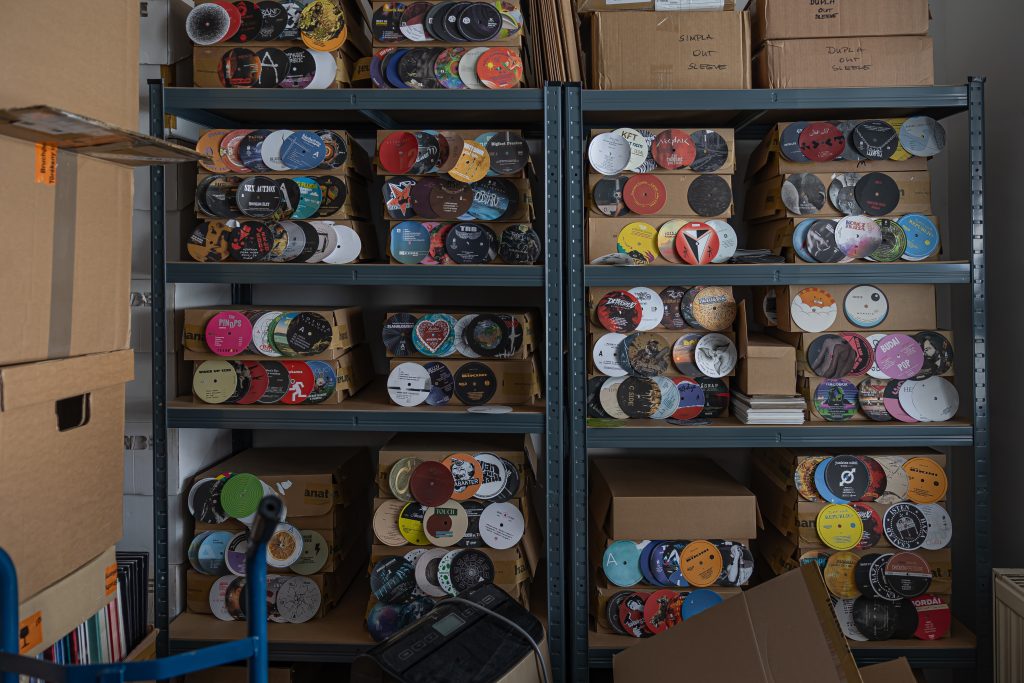
While Hanaton serves international clients as well, a significant portion of the records sliding off the press today belongs to contemporary Hungarian bands, underground artists, and domestic indie labels. The very same machine that pressed the classic albums of the 70s and 80s is now manufacturing the future of the local music scene. It is a full-circle moment for Hungarian music history—proving that true quality, much like a good vinyl record, is built to stand the test of time.